How to Choose the Right Metric Hydraulic Fitting for High-Pressure Applications
When it comes to hydraulic systems, choosing the right metric hydraulic fitting can be a daunting task. Many users, including engineers and equipment operators, often grapple with issues like leaks, pressure drops, and compatibility problems due to improper fittings. This article aims to address these common pain points and guide you through the entire process of selecting the correct metric hydraulic fitting for your high-pressure applications. As a trusted Hydraulic Fittings manufacturer, MASTER provides insights and practical steps to help you avoid costly mistakes and optimize your hydraulic systems.
Understanding the Importance of Choosing the Right Metric Hydraulic Fitting
Choosing a metric hydraulic fitting isn't just about picking a part; it involves understanding the pressures involved, the types of fluids being used, and the required compatibility with your existing system. According to industry studies, nearly 30% of hydraulic failure incidents stem from incorrect fitting choices. For example, a user in the automotive industry invested time in selecting the right hydraulic fitting after grappling with repeated system failures, leading to downtime costs exceeding $10,000. This situation could have been avoided with the correct knowledge and foresight.
Required Preparation for Success
Before diving into the selection process, gather the following materials and tools:
- System Pressure Ratings: Know the maximum pressure your system will operate under.
- Fluid Compatibility Data: Assess the types of fluids involved and their chemical properties.
- Fitting Specifications: Become familiar with standard metric sizes and specifications.
- Tools for Measurement: Calipers or micrometers for accurate fitting size verification.
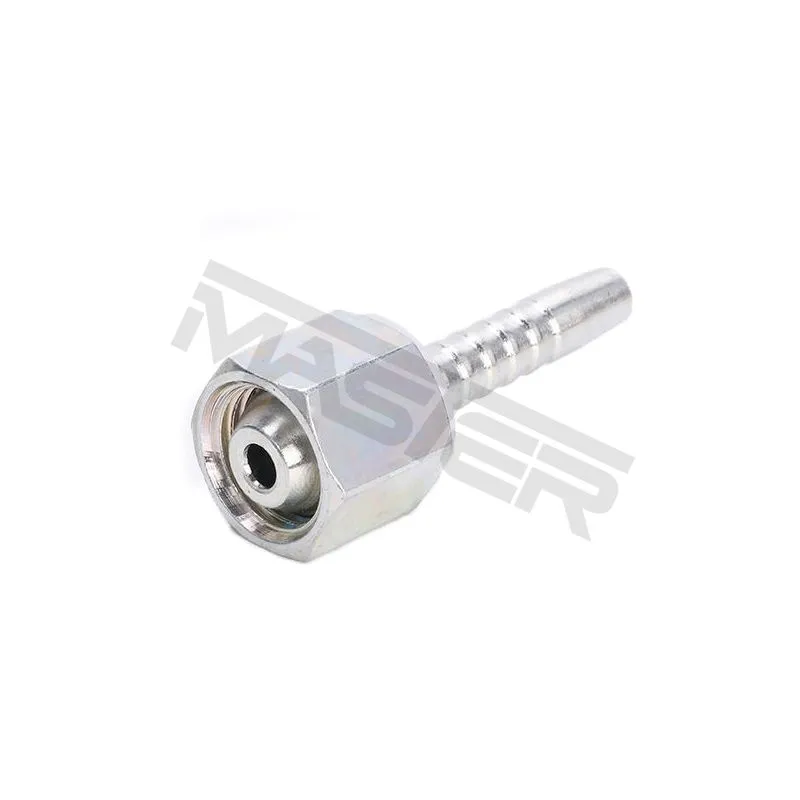
Step-by-Step Guidance on Choosing Metric Hydraulic Fittings
- Assess Your Application: Determine the requirements specific to your application such as pressure ratings and connection styles. For example, if your system operates at 3500 PSI, make sure to choose fittings rated for at least this pressure.
- Select the Right Material: Different materials have varying resistance to pressure and temperature. Common materials include stainless steel and brass. Stainless steel fittings have been shown to withstand pressures of up to 5000 PSI.
- Check Thread Type and Size: Use accurate measuring tools to confirm the thread type and size; common standards include ISO, BSPP, and NPT.
- Review Coupler Design: Ensure that the coupler design matches your coupling needs. Misalignment can cause leaks, with rubber seals costing around $15 to replace frequently if fittings are mismatched.
- Purchase from Reputable Suppliers: Choose manufacturers like MASTER that provide specifications and warranties. Using high-quality fittings reduces the risk of failure.
Common Errors and Solutions in Hydraulic Fitting Selection
Even seasoned professionals can make errors when selecting metric hydraulic fittings. Here are some common mistakes and their solutions:
- Error: Using the wrong fitting size.
Solution: Always double-check measurements against manufacturers' specifications. - Error: Installing a fitting made from incompatible material.
Solution: Verify the chemical compatibility chart available from reputable manufacturers like MASTER. - Error: Ignoring the effect of temperature changes.
Solution: Select fittings that can handle both low and high-temperature extremes in your application.
Summary and Suggestions
Choosing the right metric hydraulic fitting for high-pressure applications involves understanding the specific requirements of your system and avoiding common selection errors. By paying attention to pressure ratings, material compatibility, and thread sizes, and purchasing from reputable manufacturers like MASTER, you can significantly enhance the reliability of your hydraulic systems. Always remember that the cost savings from preventing a single hydraulic failure can be substantial, far exceeding the initial investment in quality fittings.
FAQ
1. What is the most common mistake when selecting a hydraulic fitting?
The most common mistake is selecting a fitting without verifying the pressure and fluid compatibility, leading to potential leaks and system failures.
2. How do I know if a fitting is compatible with my hydraulic system?
Always consult the manufacturer's specifications and compatibility charts to ensure the fitting matches your system's requirements.
3. Can I use non-standard fittings in my hydraulic system?
While non-standard fittings can be used, they may lead to incompatibility issues. It's advisable to stick with standard sizes and designs for optimal performance.


留言
張貼留言