How to Inspect Metric Hydraulic Fittings for Early Signs of Failure
When working with hydraulic systems, one of the key concerns for users is the integrity of metric hydraulic fittings. Users often face issues such as leaks, unexpected shutdowns, and costly system failures that can arise from unnoticed deterioration of hydraulic components. Hence, understanding how to properly inspect metric hydraulic fittings is critical for operators, engineers, and maintenance personnel in avoiding accidents and ensuring system reliability. A Hydraulic Fittings manufacturer might offer the best products, but user diligence is essential in identifying early signs of failure to mitigate risks and costs associated with downtime and component replacement.
Required Preparation for Inspecting Metric Hydraulic Fittings
Before diving into the inspection process, it is crucial to gather the appropriate materials and tools. Here’s what you need:
- Inspection Tools: Hydraulic pressure gauge, caliper, torque wrench, and visual inspection mirror.
- Protective Gear: Safety goggles, gloves, and steel-toed boots to ensure safety during the inspection.
- Reference Guides: Technical manuals from MASTER detailing specific fitting specifications and tolerances.
Step-by-Step Guidance on Inspecting Metric Hydraulic Fittings
To help streamline your inspection process, follow these actionable steps:
- Visual Inspection: Begin with a thorough visual check for any signs of corrosion, gouges, or abnormalities in the fittings. Look for rust or discoloration, particularly around seals.
- Check for Leaks: Utilize the hydraulic pressure gauge to monitor any pressure changes that could suggest leaks. A drop of pressure beyond 5% within a short duration usually indicates potential failure.
- Measure Fitting Integrity: Use a caliper to measure the outer diameter of the fitting. It should match manufacturer specifications; deviations over 0.5mm necessitate further inspection or replacement.
- Torque Check: Confirm that all fittings are tightened to manufacturer specifications using a torque wrench. Typically, fittings should not exceed 20% above or below the recommended torque, which is usually between 25 to 35 Nm.
- Document Findings: Make detailed notes on your inspection results for future reference. This can help track recurring issues and aid in identifying patterns of wear over time.
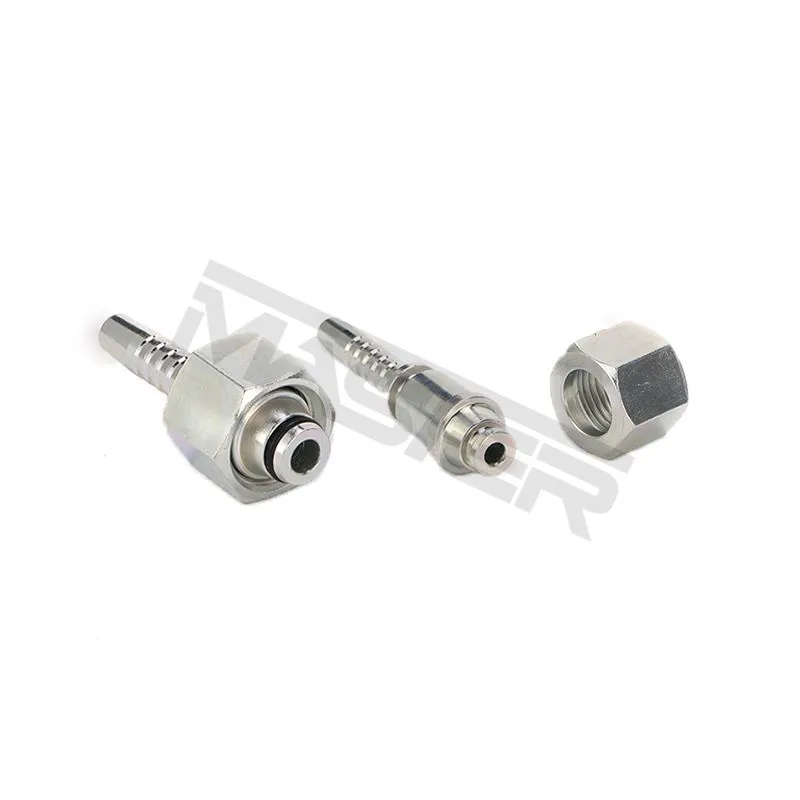
Common Errors and Solutions in Inspecting Metric Hydraulic Fittings
Even with the best intentions, users might make mistakes during the inspection process. Here are common errors and their solutions:
- Overlooking Minor Signs: Small leaks or undetected corrosion can lead to major issues. Make a habit of inspecting fittings regularly, every 3-6 months.
- Incorrect Torque Application: Applying too much torque can damage the fittings. Always refer to the MASTER technical manual for correct torque values.
- Insufficient Documentation: Not keeping a record can hinder your ability to troubleshoot. Maintain a log of inspections and findings.
Summary and Suggestions
Inspecting metric hydraulic fittings is an essential part of maintaining hydraulic systems to prevent failures and increase longevity. By employing correct inspection tools, documenting findings, and following a regimented schedule, you can significantly reduce risks associated with hydraulic component failure. Users like John, a maintenance supervisor at a manufacturing plant, saved his company 18% in replacement costs last year simply by implementing a routine inspection schedule, emphasizing the importance of proactive maintenance.
Frequently Asked Questions (FAQ)
1. How often should I inspect hydraulic fittings?
It is advisable to inspect hydraulic fittings every 3-6 months or more frequently in high-stress environments.
2. What should I do if I find a leak?
Immediately isolate the system to prevent further damage, document the leak, and contact a professional for replacement options.
3. Can I re-use hydraulic fittings?
Reusing hydraulic fittings is not recommended unless they are in perfect condition; always adhere to manufacturer guidelines.


留言
張貼留言